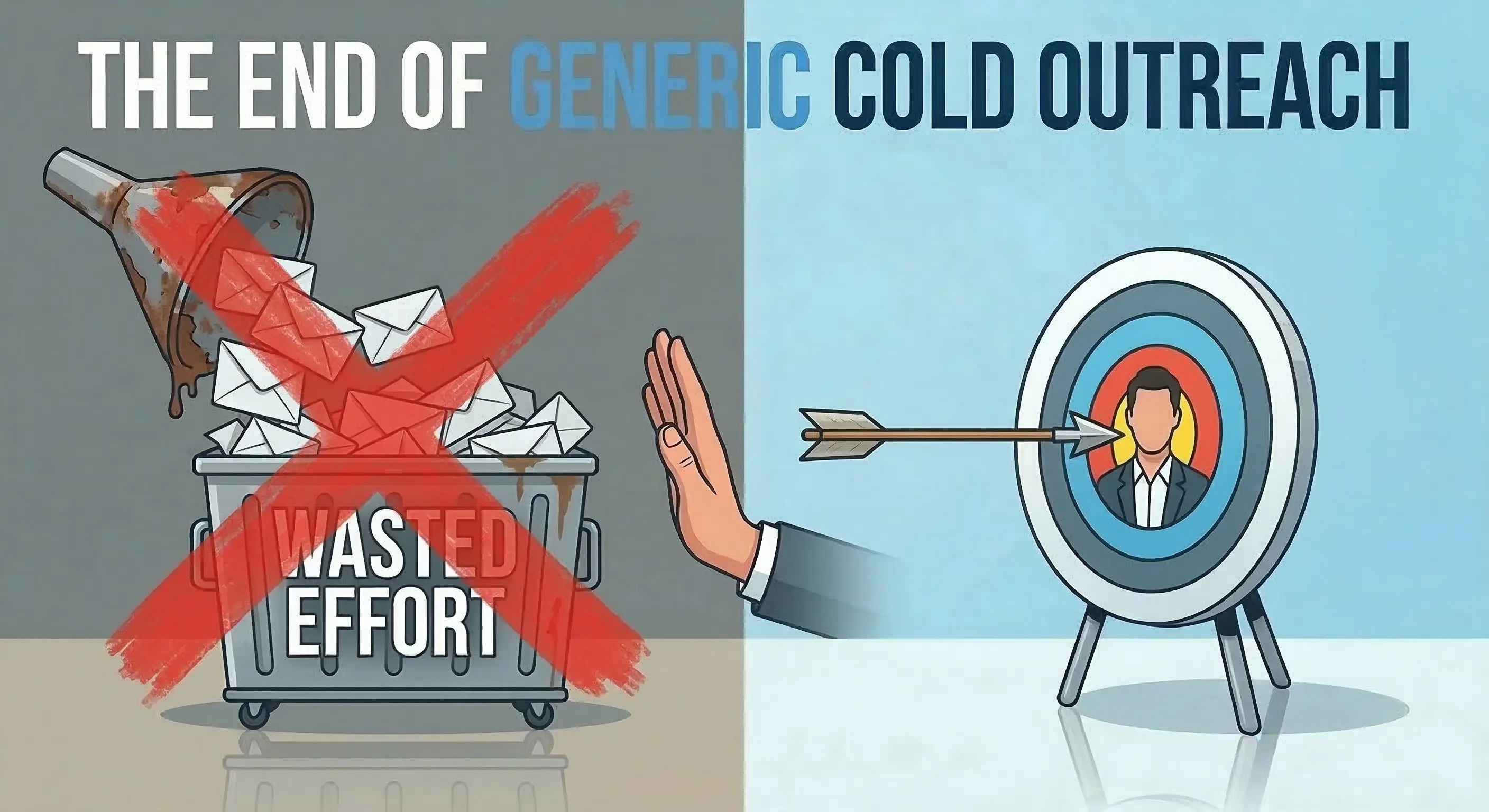
Simply treating a closed deal as the finish line sabotages compounding growth and diminishes operational energy.
Traditional funnels treat customers as disposable outputs. Leads enter, contracts close, and teams immediately start over from scratch. A flywheel model fundamentally changes this math. By treating every customer as an input driving future acquisitions, businesses capture and reuse their operational energy. Companies like Amazon built empires by turning client satisfaction into a self-reinforcing acquisition engine.
Consistent engagement builds this momentum. The data paints a clear picture of missed opportunities:
- Sales professionals require an average of 8 touchpoints to secure an initial meeting [1].
- A staggering 44% of sales representatives stop outreach after just one follow-up [2].
- Lead nurturing generates 50% more sales-ready leads at a 33% lower cost [3].
- Increasing customer retention by 5% boosts profits by 25% to 95% [4].
These metrics reveal a glaring operational flaw. Stopping outreach leaves revenue on the table. Neglecting existing clients forces teams to pay the high price of cold acquisition. Operators must build systems providing continuous value through frictionless service. MissionGrowth.ai builds these exact engagement architectures. We design workflows that maintain persistent, high-value contact with prospects and clients. This turns satisfied buyers into active promoters.
Funnels drain energy, whereas flywheels store and compound it. Prioritizing continuous engagement transforms a service business into a self-sustaining growth engine.
How do your sales teams handle the transition from closed deals to long-term client retention?
[1] https://www.rainsalestraining.com/blog/how-many-touchpoints-does-it-take-to-make-a-sale
[2] https://revnew.com/blog/b2b-appointment-setting-challenges-solutions
[3] https://revnew.com/blog/long-term-lead-nurturing-strategies
[4] https://hbr.org/2014/10/the-value-of-keeping-the-right-customers